Total:
15.00 TND

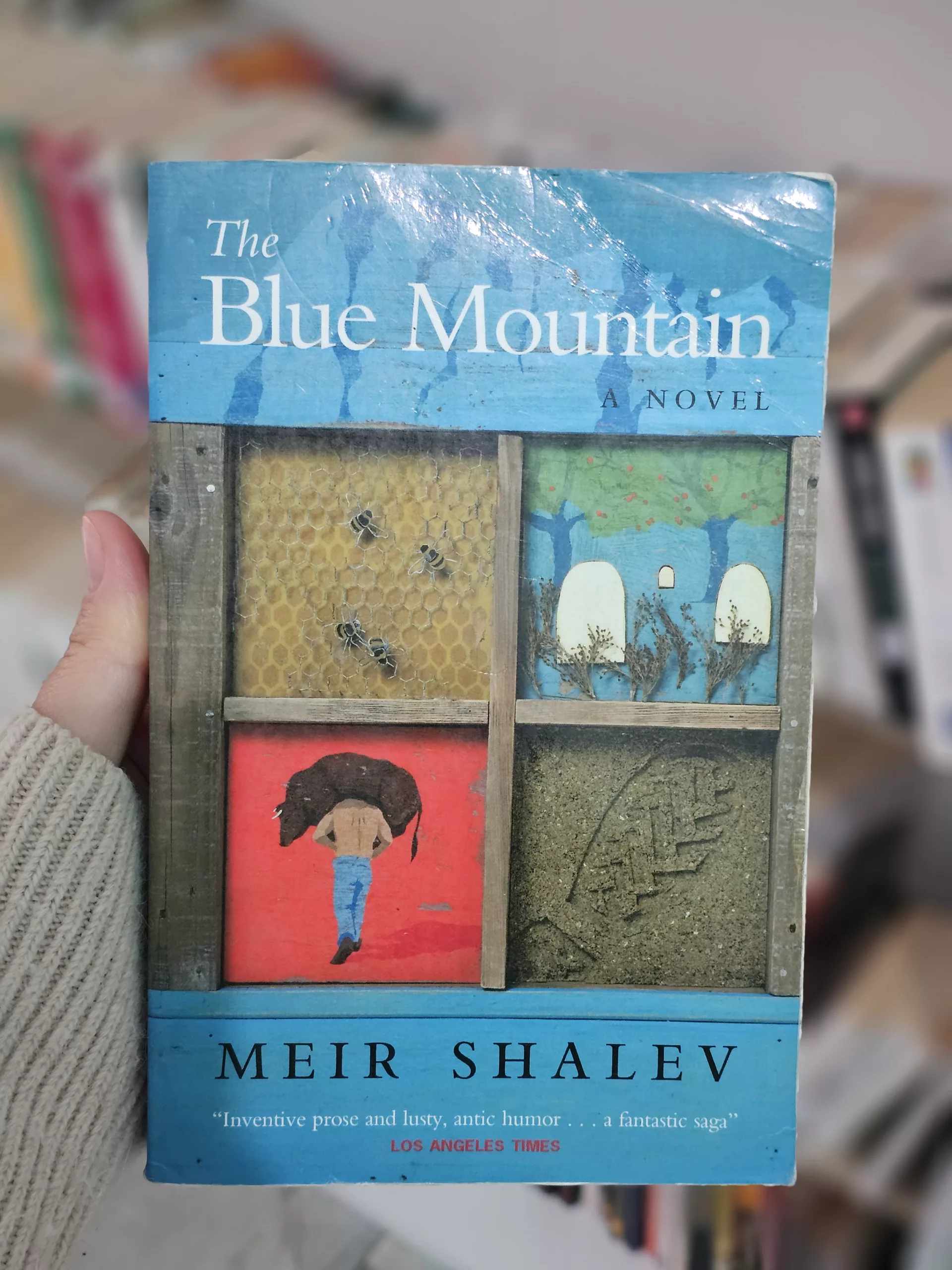
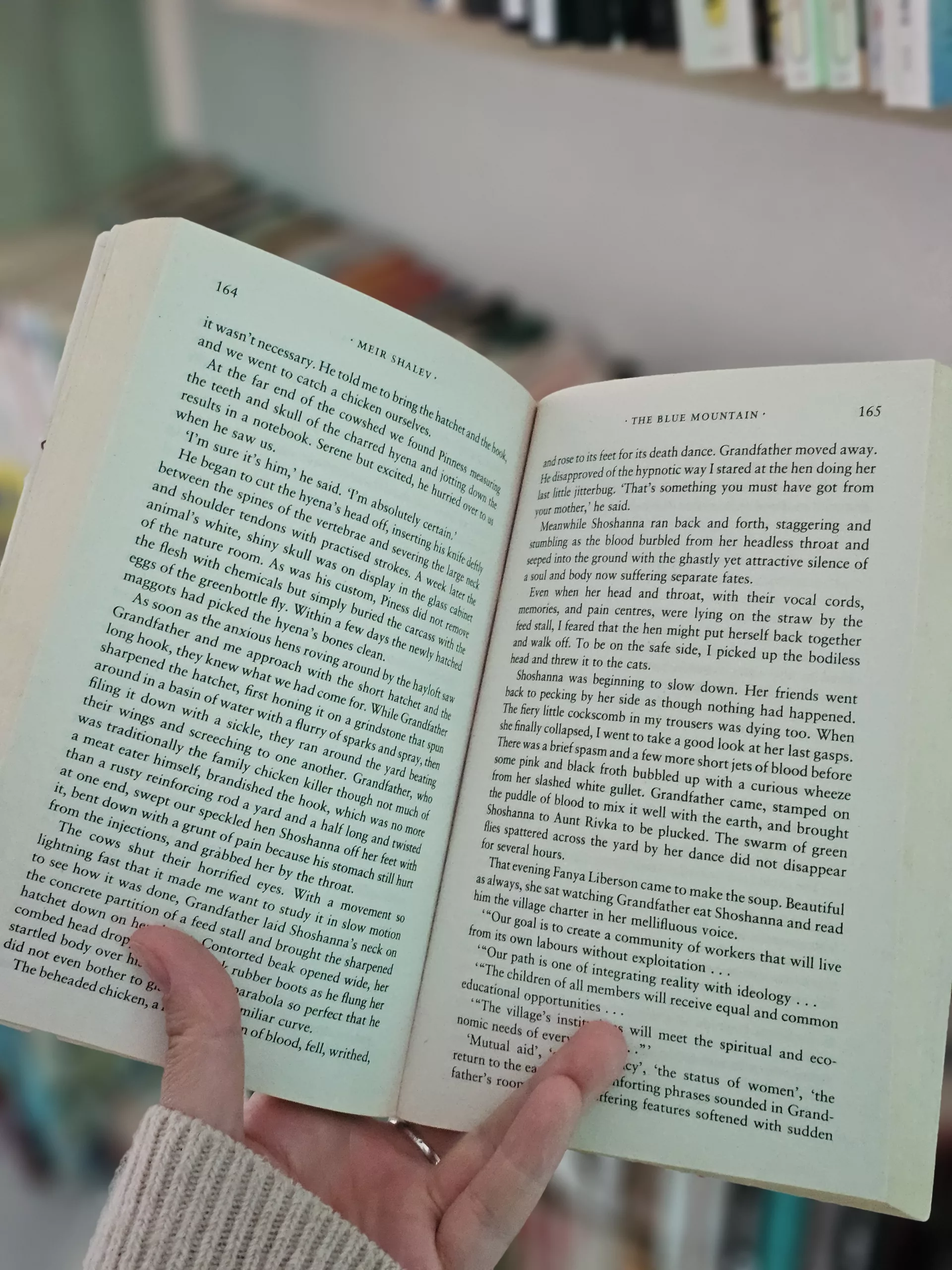
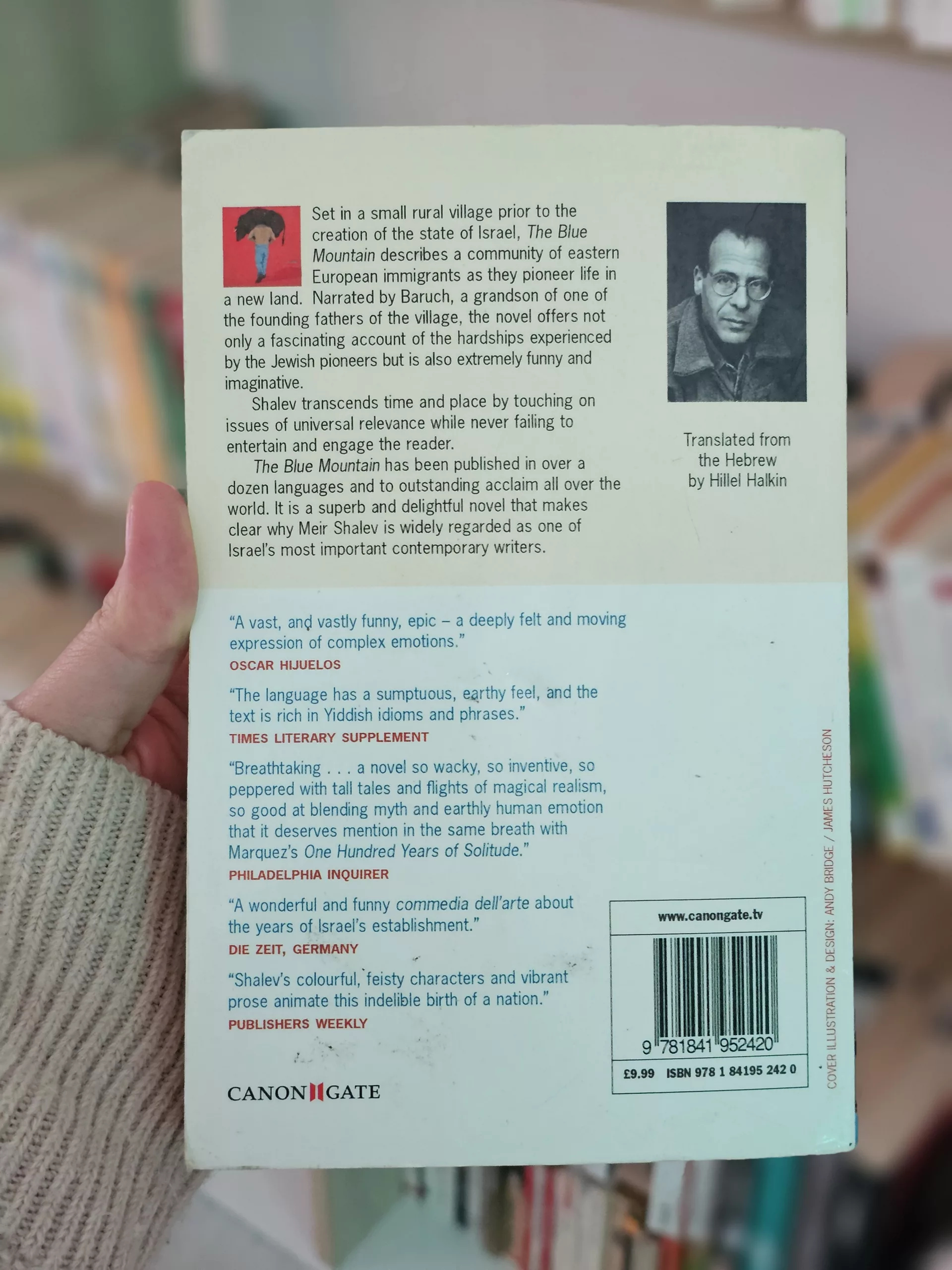
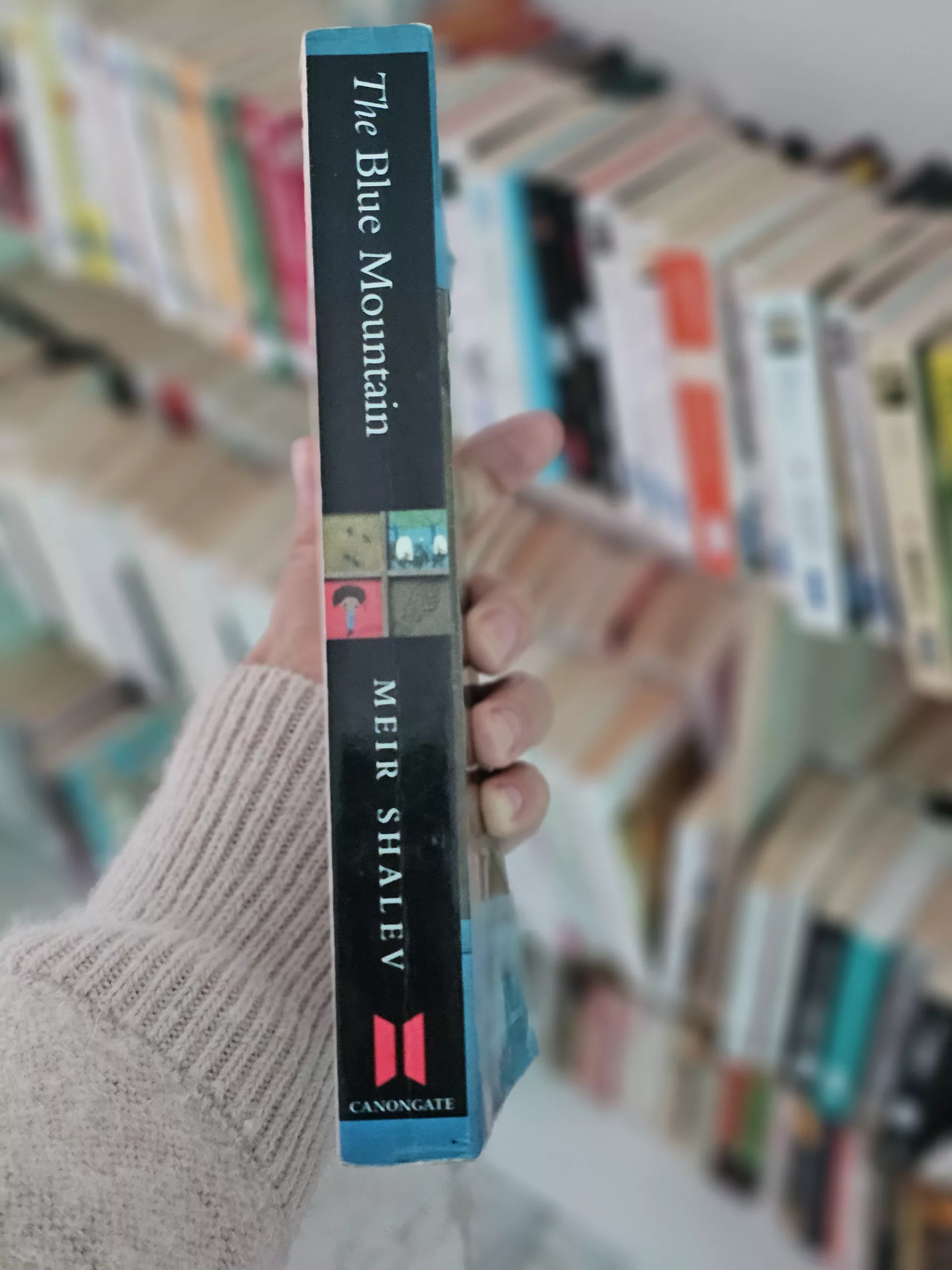
The Blue Mountain (1988) by Israeli author Meir Shalev tells the story of a village of Zionist pioneers in the Jezreel Valley. It begins with the Second Aliyah, the wave of Jewish immigration from Eastern Europe in the early…
1 en stock
1 en stock
The Blue Mountain (1988) by Israeli author Meir Shalev tells the story of a village of Zionist pioneers in the Jezreel Valley. It begins with the Second Aliyah, the wave of Jewish immigration from Eastern Europe in the early 1900s. The narrator, Baruch, recounts the village’s history through his own family and its eccentric founders, who arrive full of ideals and set out to drain swamps and build a new society from scratch.
The story weaves together humor, folklore and myth. It follows the pioneers’ idealism, their rivalries and their love affairs. It also shows how the settlers’ dreams collide with the harsh realities of farming and daily life. Several of its characters are larger than life, and the narrative moves back and forth in time.
One of the book’s central themes is death and memory. The village’s founders are reluctant to face the reality of burying their dead, and the story explores how a community builds, and mythologizes, its own past.
Critics praise the book as a rich, inventive saga that treats the founding myths of Israel with both affection and irony.
| Poids | 0.437 kg |
|---|---|
| Dimensions | 20.3 × 13.3 × 2.5 cm |
| Date de parution | 2002 |
| Langue | Anglais |
| Nombre de pages | 377 |
| État | Bon état |
| Format | Broché |
| Défaut | Aucun défaut |
| Auteur | Shalev, Meir |
| Édition | Canongate |
| ISBN-13 | 978-1-8419-5242-0 |
| ISBN-10 | 1-8419-5242-7 |
You must be logged in to post a review.

Warqa est une IA développée par Ktebi Ktebek. Ses suggestions viennent de notre catalogue : vérifiez prix et état sur la fiche.


Avis
Il n'y a pas encore d'avis.