Total:
15.00 TND

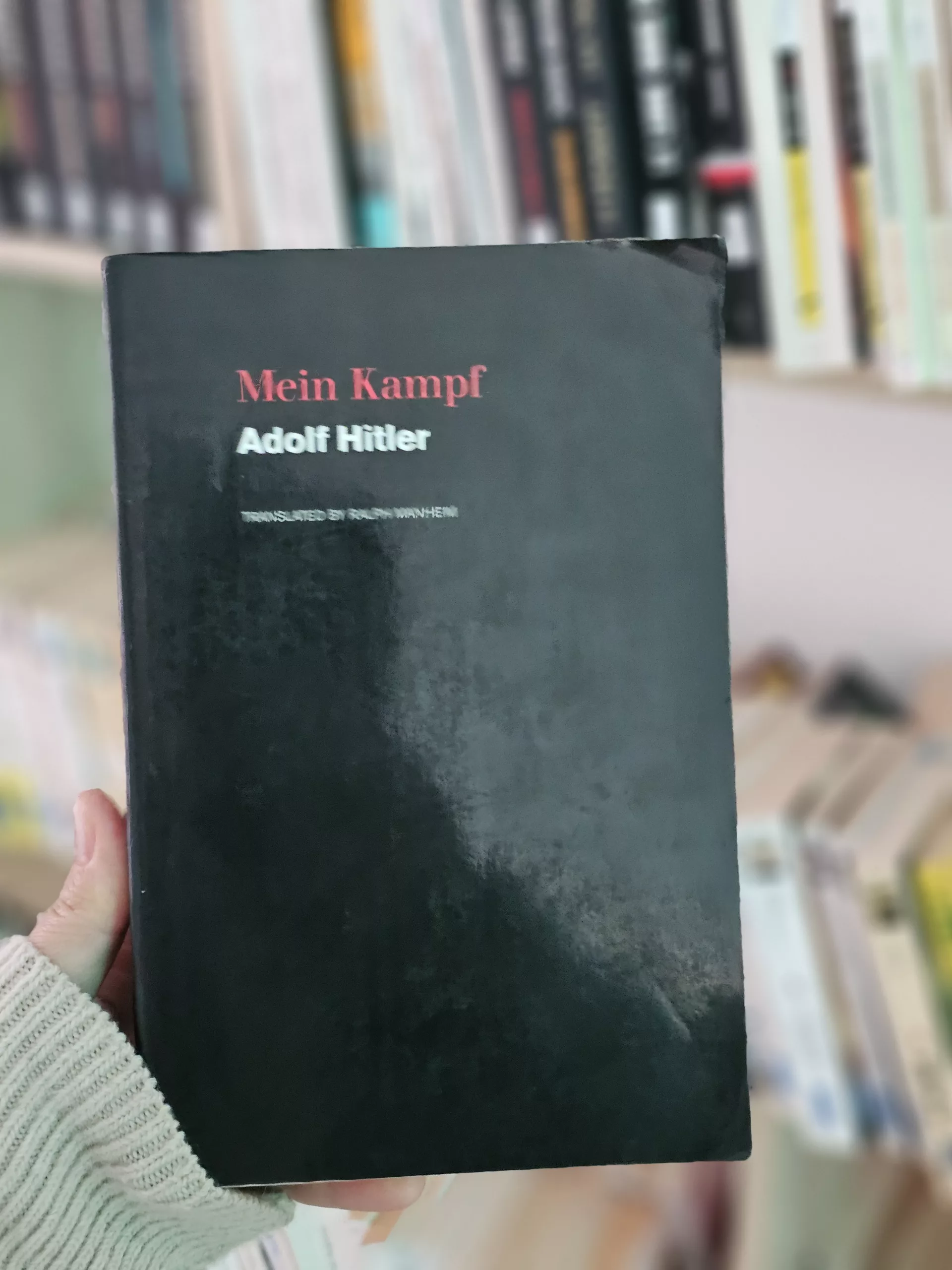
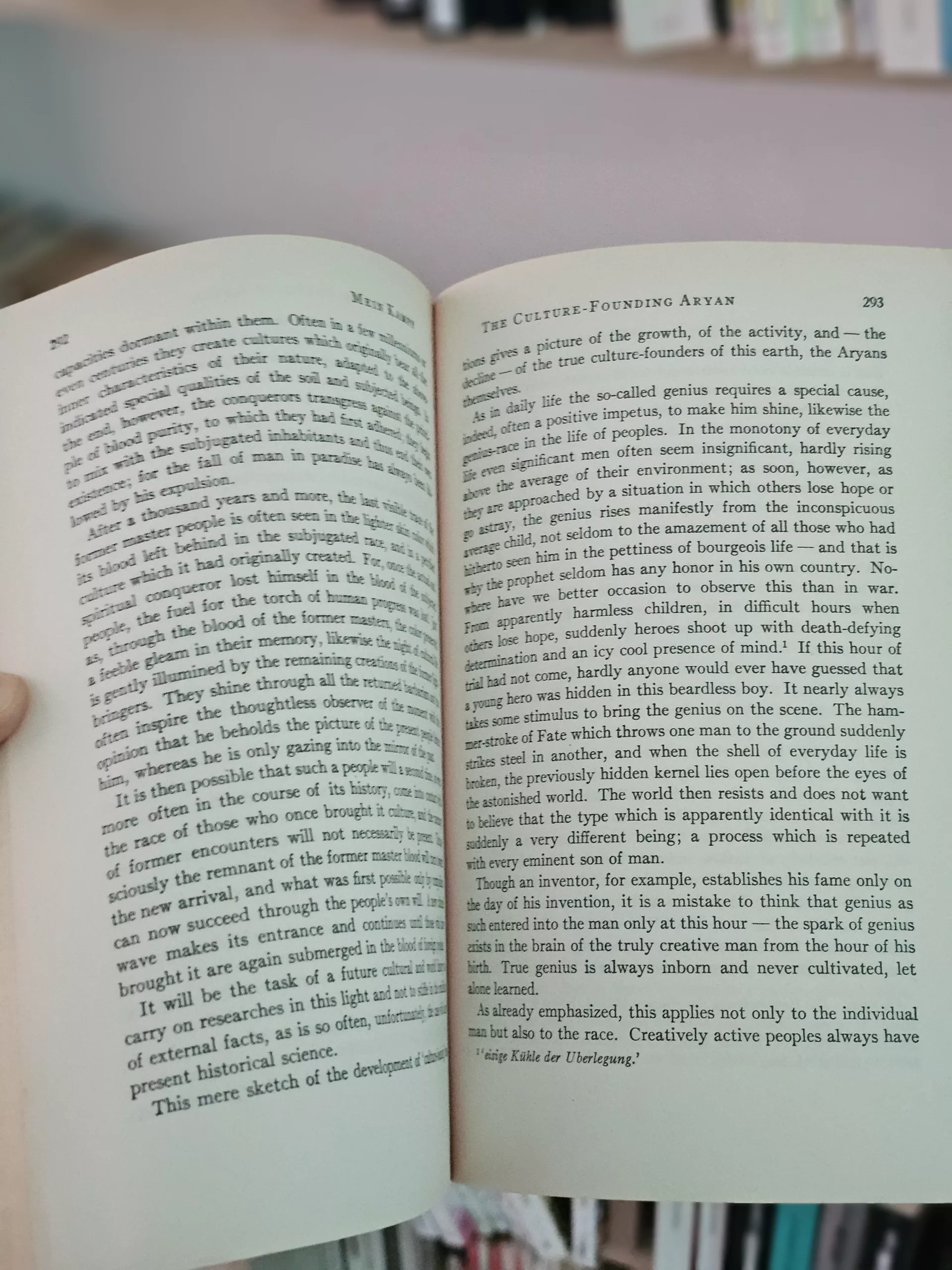


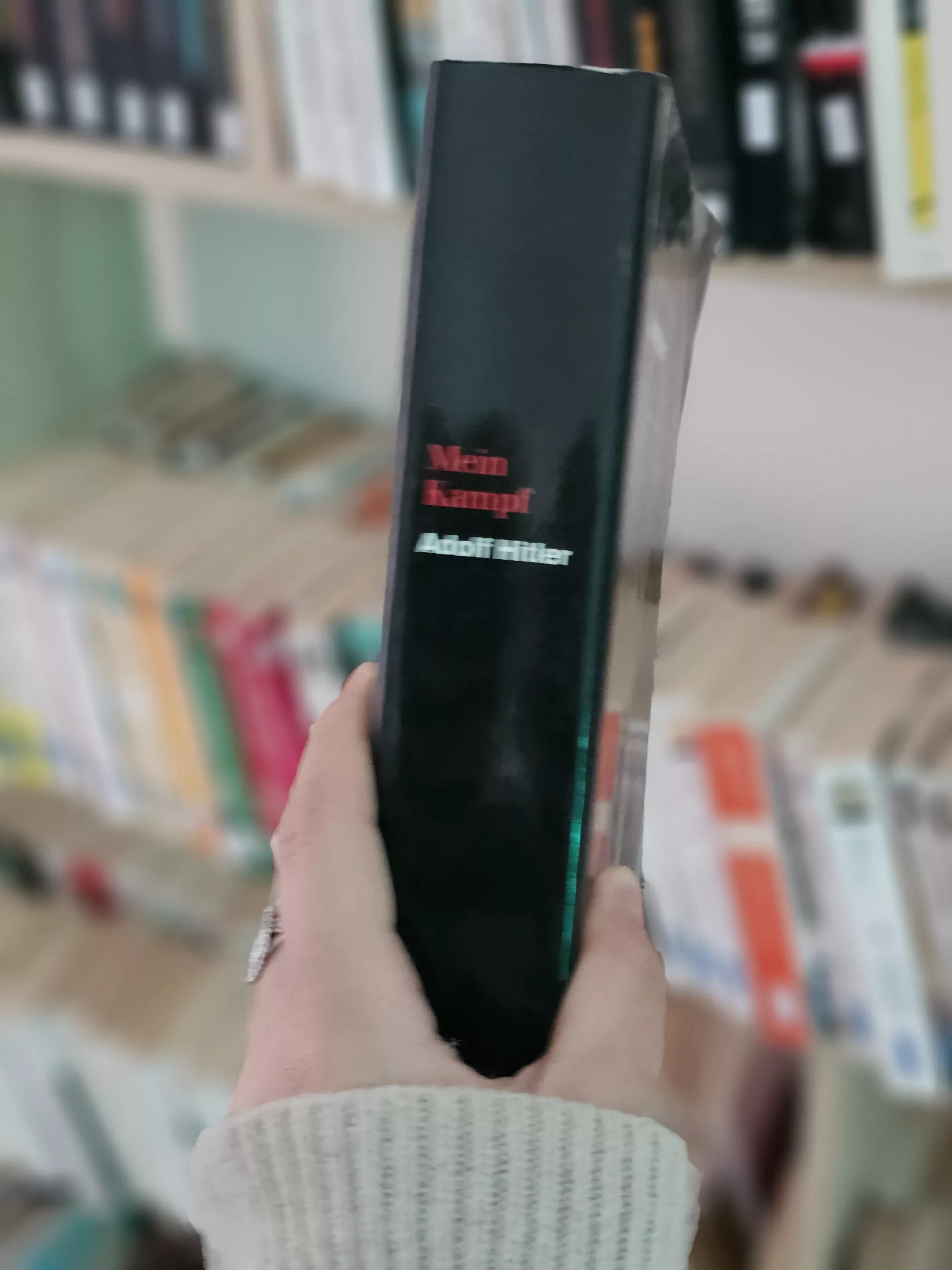
Hitler dictated Mein Kampf in 1924 while imprisoned after the failed Beer Hall Putsch. It was published in two volumes (1925 and 1926). Volume 1 is a self-serving autobiography. It covers his youth in Austria, his years in Vienna, his…
1 en stock
1 en stock
Hitler dictated Mein Kampf in 1924 while imprisoned after the failed Beer Hall Putsch. It was published in two volumes (1925 and 1926).
Volume 1 is a self-serving autobiography. It covers his youth in Austria, his years in Vienna, his service in World War I, and his bitterness over Germany’s defeat. He presents these years as the origin of his worldview and blames Jews and Marxists for Germany’s collapse.
Volume 2 lays out the Nazi program. He argues for racial hierarchy, extreme nationalism and the “Führer principle” (absolute leadership). He rejects democracy, and he calls for German expansion into Eastern Europe (“Lebensraum”). He also sets out his theories of mass propaganda and party organization.
Context: Historians treat the book as a key primary source for understanding Nazi ideology. It is full of distortions and lies, and its virulent antisemitism foreshadowed the Holocaust. Its prose is often rambling and repetitive. Scholarly editions with critical commentary are generally recommended for study.
| Poids | 0.754 kg |
|---|---|
| Dimensions | 20.3 × 13.3 × 4.4 cm |
| Date de parution | 2001 |
| Langue | Anglais |
| Nombre de pages | 694 |
| État | Acceptable |
| Format | Broché |
| Défaut | Aucun défaut |
| Auteur | Hitler, Adolf |
| Édition | Houghton Mifflin |
| ISBN-13 | 978-0-3959-2503-4 |
| ISBN-10 | 0-3959-2503-7 |
You must be logged in to post a review.

Warqa est une IA développée par Ktebi Ktebek. Ses suggestions viennent de notre catalogue : vérifiez prix et état sur la fiche.


Avis
Il n'y a pas encore d'avis.